TLDR
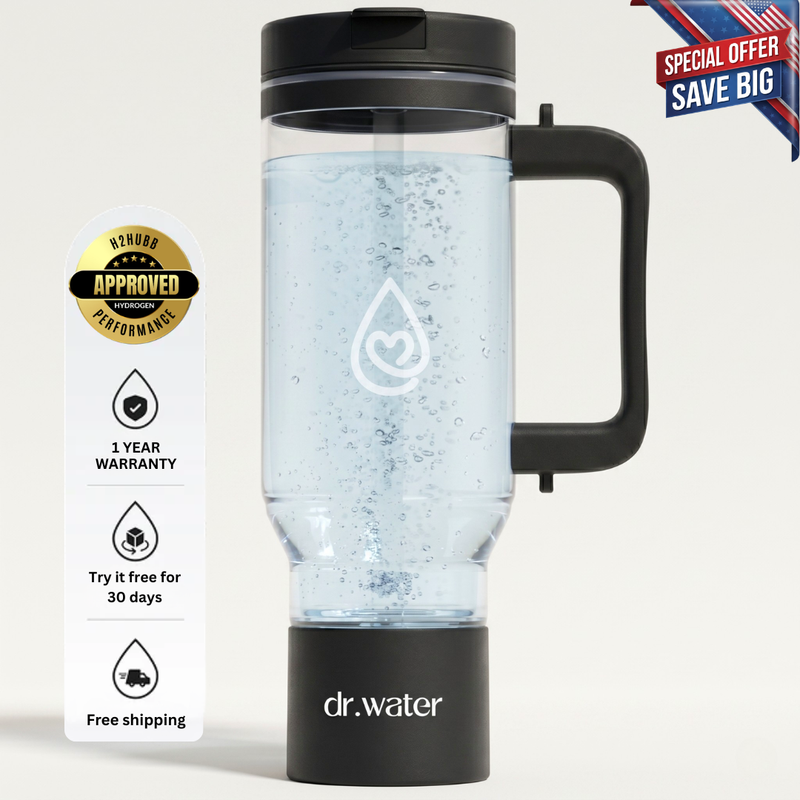
Yes. Borosilicate glass is built specifically to handle sudden temperature swings, hot to cold or cold to hot, without cracking. That's the whole reason it's the standard for lab glassware and oven-safe cookware, and it's why the Hydrator Max's inner chamber is made from it.

What thermal shock actually is
Thermal shock happens when a material heats or cools unevenly fast enough that different parts of it expand or contract at different rates. That mismatch creates internal stress, and if the material can't absorb it, it cracks.
It's why a cheap drinking glass can shatter when you pour boiling water into it while it's cold from the dishwasher. The glass didn't fail from heat, it failed from the sudden difference.
A cheap drinking glass shatters from boiling water not because it got hot, but because it got hot too fast.
Why regular glass can't handle it
Standard soda-lime glass, the kind in most drinking glasses, has a relatively high rate of thermal expansion. Heat it or cool it quickly and it expands or contracts more than it can tolerate before stress cracks form.
- Soda-lime glass: cheaper to produce, fine for room-temperature use, poor with rapid temperature swings
- Tempered glass: better than soda-lime but still limited compared to borosilicate
- Borosilicate glass: engineered specifically to minimize expansion under temperature change
What makes borosilicate different
Borosilicate glass has boron trioxide added to its composition, which lowers its coefficient of thermal expansion significantly compared to standard glass. In plain terms, it expands and contracts far less when the temperature changes quickly.
The Hydrator Max's inner chamber goes through real temperature ranges: cold filtered water, an electrolysis cycle that generates some heat, then maybe iced water poured in on the next use. Borosilicate is what lets that chamber take repeated swings without stress cracking over time.
What actually happens across real temperature swings
| Scenario | Borosilicate Chamber | Standard Glass |
|---|---|---|
| Pouring iced water after a warm cycle | Handles the swing normally | Risk of stress cracking |
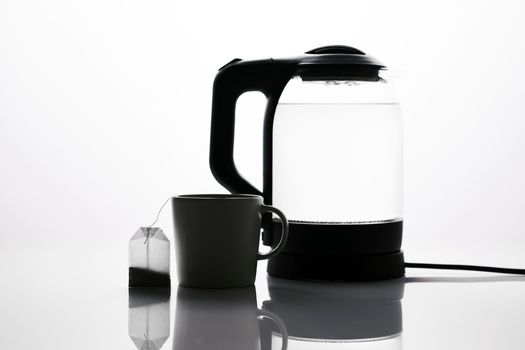
| Hot water directly from a kettle | Rated for high heat exposure | Not recommended, high crack risk |
| Everyday room-temperature refills | No issue | No issue |
| Repeated cycling over months | Designed to hold up | Wasn't built for repeated shock |
What we don't recommend, even with borosilicate
Borosilicate is tough, but it's not a reason to get careless. We still recommend letting genuinely boiling water cool briefly before it goes in, and avoiding sudden extreme swings just because the glass can technically take it.
The outer Makrolon shell also plays a role here, it's the layer that protects the glass chamber from physical impact, so the glass is doing thermal work while the shell handles drops and bumps.
It's worth separating thermal shock resistance from physical impact resistance too. Borosilicate handles rapid temperature changes well, but no glass, borosilicate included, is designed to survive being dropped onto concrete. That's exactly why the chamber sits protected inside the outer shell instead of being exposed on its own.
No glass, borosilicate included, is built to survive being dropped onto concrete.
FAQ
Can I pour ice water in right after a warm cycle?
Yes, that's exactly the kind of temperature swing borosilicate glass is engineered to handle without cracking.
Is borosilicate the same glass used in the oven or lab equipment?
It's the same family of glass, yes. Borosilicate is the standard choice anywhere a container needs to survive repeated heating and cooling without failing.
Will extreme heat still damage the chamber?
Borosilicate has a much higher tolerance than standard glass, but no glass is indestructible. We don't recommend pouring water at a rolling boil directly in, letting it cool slightly first is good practice regardless of the glass type.
Does the outer shell protect the glass chamber from drops?
Yes, the food-grade Makrolon outer body is built to absorb everyday impact, while the borosilicate glass inside handles the thermal and pressure demands of the electrolysis cycle.
Pour it hot, pour it cold, the borosilicate chamber inside the Hydrator Max is built to take the swing. There's a 30-day risk-free trial if you want to see how it holds up in your own kitchen first.