TLDR
Polymer exchange membranes, the Nafion-class family included, wear gradually from hydration cycling and mineral scale rather than failing all at once. Using RO or distilled water, descaling with citric acid when needed, and never electrolyzing additives directly are what extend a membrane's realistic lifespan.

In this guide
Membranes wear, just slowly
Any polymer exchange membrane, whether it's a Nafion-class PFSA membrane used in industrial fuel cells or a certified SPE/PEM membrane in a consumer hydrogen bottle, is a working part. It moves protons through microscopic hydrated channels every time you run a cycle, and that mechanical and chemical activity adds up over time.
The question isn't whether a membrane degrades. It's how slowly, and what determines the rate.
This matters for buying decisions too. A membrane rated for years of normal use under the right conditions can fail in months if it's run on the wrong water or never maintained. The material itself isn't the only variable. Your habits matter just as much.
What actually wears a membrane down
- Repeated hydration and dehydration cycles, which stress the polymer structure
- Mineral or scale buildup on the membrane surface, which can partially block the proton channels
- Running non-water liquids (electrolyte powders, juices, anything with dissolved solids) through the chamber
- Exposure to source water with heavy mineral content over hundreds of cycles
How do you spot a membrane wearing out?
A gradually declining peak PPB reading over many months of use is the clearest sign. If your device measures dissolved hydrogen on-device, watch that number over time rather than relying on a single reading.
Slower cycle times or a device that seems to work harder to hit the same output can also point to membrane wear, especially if paired with visible scale inside the chamber.
None of this happens overnight. A membrane in decline shows up as a slow drift over weeks and months, not a sudden cliff. That's exactly why tracking your PPB reading over time beats judging any single cycle.
A membrane in decline shows up as a slow drift over weeks and months, not a sudden cliff.
What lifespan should you actually expect?
| Usage pattern | What to expect |
|---|---|
| RO/distilled water, regular descaling | Longest realistic membrane life |
| Hard tap water, no descaling | Faster scale buildup, earlier decline in output |
| Electrolyte powders run during the cycle | Accelerated wear, not covered under normal use |
Maintenance that extends the membrane's life
- Use RO, distilled, or filtered water for every cycle
- Descale with a citric acid solution if you notice scaling or a drop in output
- Never electrolyze water with dissolved salts or powders mixed in, add those after the cycle
- Run the device's UV self-clean function regularly to keep the chamber free of buildup
None of this is unique to one brand of membrane. It's how polymer exchange membranes behave in general, which is why we build maintenance guidance around it for the Hydrator Max specifically.
Think of it the way you'd think about a water filter cartridge. It's a consumable part with a usable life, and how you treat it day to day matters more than the spec sheet alone.
FAQ
How long does a PEM membrane actually last?
It depends heavily on water source and maintenance. Using RO or distilled water and descaling regularly extends membrane life significantly compared to hard tap water with no maintenance.
What's the first sign my membrane is wearing out?
A gradual decline in peak PPB output over months of use is usually the clearest early signal, especially if your device measures dissolved hydrogen on-device.
Can I speed up wear by using the wrong water?
Yes. Running water with dissolved salts, electrolyte powders, or heavy mineral content through the chamber accelerates scale buildup and membrane stress. Mix additives in after the cycle, not during.
Does descaling actually help membrane lifespan?
Yes. A citric acid descale removes mineral scale that can otherwise partially block the membrane's proton channels over time.
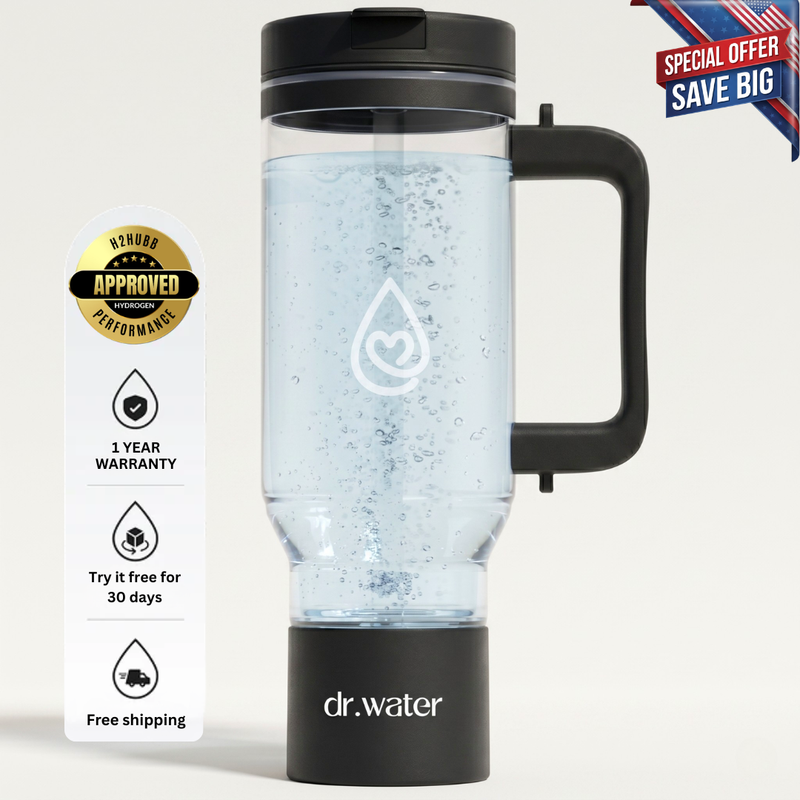
If you want a bottle built around this thinking, the Hydrator Max ships with a certified SPE/PEM membrane, a platinum-plated electrode, and a waste-gas vent, backed by a 30-day risk-free trial. Check it out here.