TLDR
Aluminum lids are lightweight but they corrode with repeated moisture exposure, especially near a component that's venting trace gas every cycle. A properly finished stainless steel lid handles that same daily exposure without pitting or discoloring, which is why lid material matters more than it looks like on a spec sheet.

Why the lid takes more abuse than you'd think
The lid isn't just a cap. On a hydrogen bottle it's usually where the vent path and the seal both live. That means it's exposed to condensation, trace waste gas, and repeated opening and closing, every single day.
A lid that looks fine in a five-minute product demo can behave very differently after a few months of that daily cycle.
A lid that looks fine in a five-minute product demo can behave very differently after a few months of daily use.
What happens to aluminum over time
Aluminum is light, which is exactly why it shows up in a lot of budget bottle lids. But uncoated or thinly anodized aluminum reacts with repeated moisture and trace gas exposure, forming a dull, sometimes pitted surface over months of use.
- Aluminum oxidizes with repeated moisture exposure, forming a chalky white residue
- Pitting can create tiny gaps that undermine a clean seal
- Anodized coatings help but can wear thin at the threads, the highest-friction spot on the lid
Why stainless steel holds up
Stainless steel gets its corrosion resistance from chromium content, which forms a stable, self-repairing oxide layer on the surface. That's the same reason stainless shows up in kitchens and medical equipment, environments with constant moisture exposure.
The lid sees more repeated moisture and handling than almost any other part of the bottle. Stainless steel was the material that made sense for a component that has to seal reliably for years, not months.
Which corrodes faster, aluminum or stainless
| Lid Material | Corrosion Resistance | Common Failure Mode |
|---|---|---|
| Stainless steel | High | Rare, mainly cosmetic scratching over years |
| Anodized aluminum | Moderate | Coating wear at threads leads to pitting |
| Bare aluminum | Low | Oxidation and pitting within months of regular use |
What to check before you buy any bottle
If you're comparing hydrogen bottles, ask specifically what the lid is made from, not just the body. "Metal lid" in a listing can mean stainless steel or it can mean thin aluminum, and those age very differently.
"Metal lid" in a listing can mean stainless steel or it can mean thin aluminum, and those age very differently.
A reasonable seller should be able to tell you the exact lid material and finish. If they can't, or the answer is vague, that's worth factoring into your decision.
If you already own a hydrogen bottle, look closely at the lid threads under good light. Early pitting or a chalky residue there is a much earlier warning sign than anything you'd notice from the outside of the lid.
FAQ
Does the Hydrator Max lid use stainless steel?
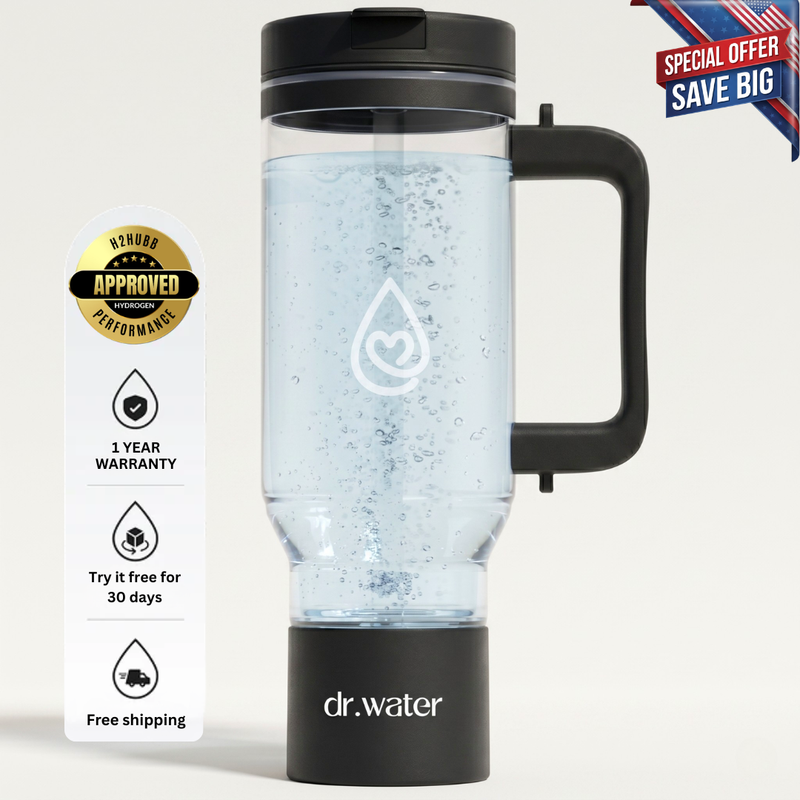
Yes, the lid is stainless steel, chosen specifically because it's the component most exposed to daily moisture and handling.
How can I tell if my current bottle's lid is corroding?
Look for a dull, chalky, or pitted surface, especially around the threads, or any white residue after the bottle dries. That's early aluminum oxidation, not normal wear.
Does lid corrosion actually affect safety?
It can. Pitting undermines a clean seal over time, and any degrading metal near a sealing surface is worth addressing rather than ignoring.
Is stainless steel heavier than aluminum?
Slightly, yes, but the difference is small enough on a bottle-sized lid that it doesn't meaningfully change how the bottle feels to carry day to day.
Small parts like the lid are where a lot of hydrogen bottles cut corners. The Hydrator Max doesn't, and it comes with a 30-day risk-free trial so you can check the build for yourself before committing.