TLDR
Molecular hydrogen has been studied in small trials as a topical antioxidant, with some research pointing to reduced UV-related skin markers and redness after regular use. It is not a sunscreen, a treatment, or a replacement for your existing skincare routine. Splashing hydrogen water on your face is low-risk and simple to test yourself for a few weeks.

What topical antioxidants actually do
Skin exposed to UV light, pollution, and everyday friction builds up reactive oxygen species at the surface. Antioxidants applied topically, vitamin C serums being the most familiar example, work by neutralizing some of that oxidative load before it damages skin cells.
Molecular hydrogen is a much smaller molecule than most antioxidant compounds in skincare, which lets it penetrate the outer skin layer easily. That property is exactly why researchers started testing it as a topical agent in the first place.
What the small studies looked at
A study published in Medical Gas Research examined hydrogen-rich water applied topically and reported reduced markers of UV-induced skin damage in a controlled setting. Separate small trials have looked at hydrogen baths and reported reduced skin redness in participants with sensitive skin.
These are small, early studies, not large dermatology trials. Nobody has proven hydrogen water clears acne, reverses wrinkles, or treats any diagnosed skin condition, and we're not claiming it does.
Most of this research sits in the same family as other topical antioxidant studies, vitamin C and niacinamide included, where the compound's job is to reduce oxidative load at the skin's surface rather than change its structure directly. That framing matters because it sets realistic expectations from the start.
How to actually use it on your face
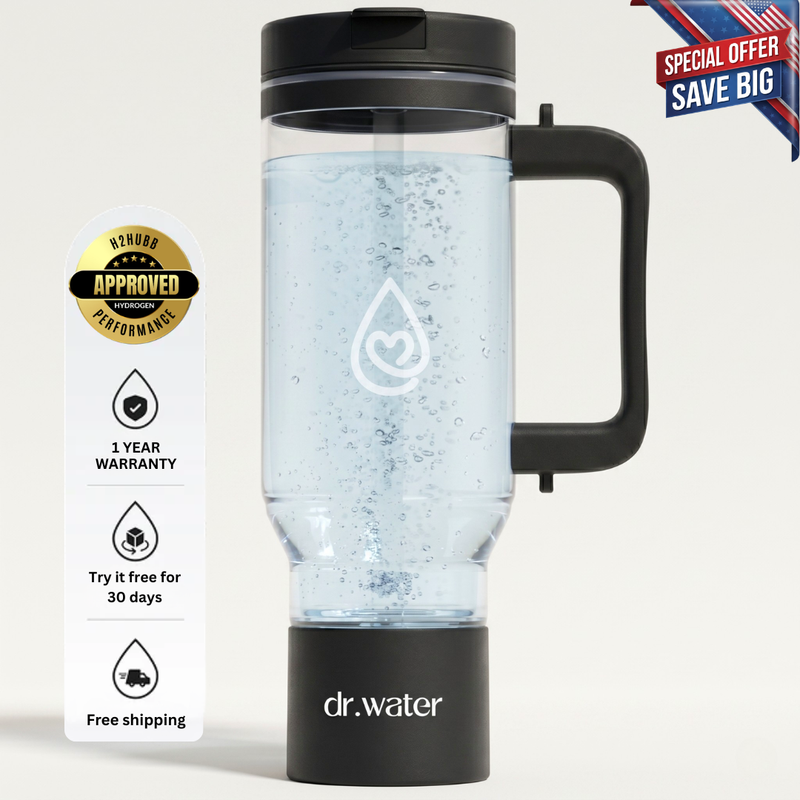
- Run a cycle of hydrogen water in the Hydrator Max as you normally would
- Splash or pat it onto clean skin instead of your usual final rinse
- Let it air dry for a minute before applying your regular moisturizer
- Repeat morning or evening, whichever fits your existing routine
What it won't do
It's not a sunscreen. Nothing here replaces SPF during actual sun exposure, and none of the research suggests otherwise.

It's also not a fast fix. Any of the reported effects in the small trials showed up after weeks of consistent use, not a single wash.
And it's not a substitute for the active ingredients your skin already responds well to. If retinol or a prescription treatment is working for you, keep using it as directed, a hydrogen rinse is an addition, not a replacement.
A hydrogen rinse is an addition to your routine, not a replacement for anything already working.
Where it fits your existing routine
| Step | Purpose | Where hydrogen water fits |
|---|---|---|
| Cleanser | Remove dirt and oil | Use as normal, before |
| Hydrogen water rinse | Topical antioxidant exposure | Replaces or follows final rinse |
| Serum | Active ingredients (vitamin C, retinol, etc.) | Apply after, on damp skin |
| Moisturizer + SPF | Barrier protection, sun protection | Unchanged, still essential |
FAQ
Can hydrogen water replace my sunscreen?
No. Nothing about hydrogen water blocks UV rays. SPF is still the only thing doing that job, and skipping it in favor of a face rinse would be a mistake.
Will washing my face with hydrogen water clear acne?
We don't make that claim. The small studies that exist looked at oxidative stress markers and redness, not acne treatment specifically.
How long does the hydrogen stay in the water once I run a cycle?
It dissipates gradually once exposed to open air, so use it within about 20 to 30 minutes of finishing the cycle for the highest concentration on your skin.
Is it safe for sensitive or reactive skin?
It's just water that's gone through electrolysis, with the waste gas vented out, not plain tap water with added chemicals. Still, if you have a diagnosed skin condition, check with your dermatologist first.
If you want to try it on your own skin, the Hydrator Max comes with a 30-day risk-free trial, plenty of time to see if a hydrogen rinse earns a permanent spot in your routine.
⚕️ Clinicians' Choice
2,033 clinicians share Dr. Water on VerifiedMD without compensation.