TLDR
Molecular hydrogen dissolved in water has been studied in dogs for joint mobility and in general veterinary research as a low-risk antioxidant. It has no taste and no calories, so most pets drink it without issue. Ask your vet before changing your pet's water routine, especially for a senior animal or one with a kidney condition.

What the animal studies looked at
A study published in Medical Gas Research looked at hydrogen-rich water in dogs with osteoarthritis and reported improvements in mobility scores over several weeks. Other veterinary research on molecular hydrogen has focused on oxidative stress markers in aging animals more broadly, including some work in laboratory rodents that doesn't translate directly to a house pet.
This is a small, developing area of veterinary research. It is not the same evidence base as a peer-reviewed treatment protocol, and no vet should be presenting it that way.
Is it actually safe for cats and dogs?
Hydrogen gas dissolved in water is not toxic. It is the same molecule your body and your pet's body already produce in small amounts through normal gut bacteria fermentation, so there's no novel substance being introduced.
- No taste change most pets notice
- No sugar, electrolytes, or additives unless you add them yourself after the cycle
- Safe water source (RO, filtered, or distilled) matters more than the hydrogen itself
What the mobility research means for older pets
Older dogs in particular deal with joint stiffness through the same general oxidative and inflammatory pathways researchers study in humans. That overlap is part of why the small canine studies exist at all.
None of this means hydrogen water treats arthritis in your dog. It means early research has looked at mobility scores as one measurable outcome, and the results were promising enough to warrant more study.
Early research looked at mobility scores as one measurable outcome, promising enough to warrant more study, not proof that hydrogen water treats arthritis.
How to actually serve it to a pet
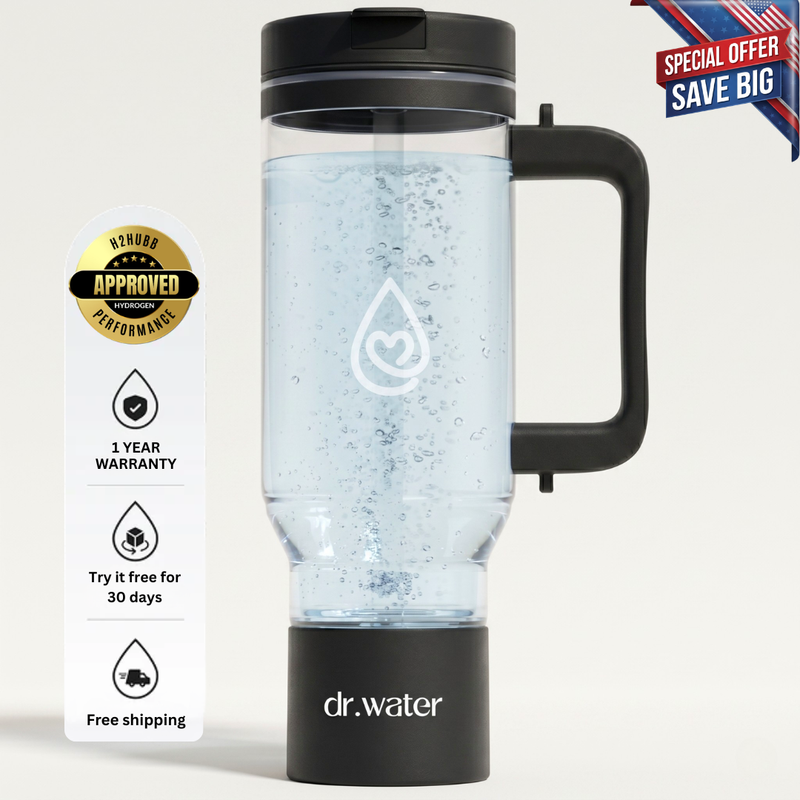
- Run a normal cycle in the Hydrator Max with filtered or RO water
- Let it sit a moment to come to room temperature if your pet prefers that
- Pour into their regular bowl instead of tap water
- Introduce gradually over a few days rather than swapping their entire water supply overnight
| Pet | Practical note |
|---|---|
| Dogs | Most drink it with no behavior change, larger breeds may need more per bowl |
| Cats | Cats are sensitive to water taste changes, introduce slowly |
| Senior or diagnosed pets | Check with your vet before switching their full water supply |
What to watch for
Under-hydration is a bigger risk than any theoretical downside of hydrogen water.
There's no established maximum dose for pets published in veterinary literature, so more isn't automatically better. A normal bowl refill once or twice a day is a reasonable place to start.
FAQ
Is hydrogen water safe for cats?
There's nothing toxic about dissolved hydrogen gas, but cats can be picky about water taste changes. Introduce it slowly and ask your vet first if your cat has a kidney condition.
Will it help my dog's arthritis?
We don't make that claim. Small studies have looked at mobility scores in dogs given hydrogen-rich water, which is promising early research, not a proven treatment.
Can I use tap water in the cycle before giving it to my pet?
We recommend RO, distilled, or filtered water for the electrolysis cycle itself. Don't run tap water with high mineral content through the unit regularly, it can accelerate scaling.
How much hydrogen water should my pet drink?
There's no established veterinary dosing guideline. A normal bowl refill once or twice a day is a reasonable starting point, and your vet can advise further for your specific animal.
If you want to see how your pet takes to it, the Hydrator Max comes with a 30-day risk-free trial, plenty of time to introduce it slowly and watch how they respond.
⚕️ Clinicians' Choice
2,033 clinicians share Dr. Water on VerifiedMD without compensation.