TLDR
Electrolysis generates real gas volume inside a sealed chamber, and any well-built device needs a controlled pressure relief path so gas buildup doesn't stress the container material, especially with a glass inner chamber. This is standard pressure-vessel engineering, not a novelty specific to hydrogen bottles.

In this guide
Why electrolysis creates pressure at all
Splitting water into hydrogen gas doesn't just change what's dissolved in the water. It also generates actual gas volume inside a sealed chamber. Higher dissolved gas concentrations generally mean more gas is being generated during the cycle.
Any sealed container generating gas needs somewhere for excess pressure to go if it builds up beyond what the chamber is designed to hold in solution and headspace.
This isn't unique to hydrogen bottles. It's the same basic principle behind why a sealed jar of fermenting liquid needs an airlock, or why a pressure cooker has a weighted valve on top.
Why this matters more with a glass chamber
Glass is chemically inert and doesn't leach into your water the way some plastics can, which is exactly why we use pressurized borosilicate glass for the inner chamber. But glass is also less forgiving of sudden pressure spikes than flexible plastic.
A well-designed sealed pressure vessel, whether it's a pressure cooker, a scuba tank, or a hydrogen water bottle, pairs a strong containment material with a controlled release path. The material handles normal operating pressure. The valve handles the abnormal case.
The material handles normal operating pressure. The valve handles the abnormal case.
How a lid safety valve generally works
- Gas pressure builds inside the sealed chamber during and after an electrolysis cycle
- Under normal operation, pressure stays within the chamber's designed tolerance
- If pressure exceeds that tolerance, a relief mechanism in the lid opens a controlled vent path
- Pressure equalizes safely instead of stressing the glass chamber itself
This is standard pressure-vessel engineering applied to a small consumer device, not a novel concept unique to hydrogen bottles. The scale is much smaller than an industrial tank, but the underlying physics is the same.
What to look for in any bottle
| Design element | Why it matters |
|---|---|
| Pressure relief path in the lid | Prevents chamber stress from exceeding safe limits |
| Chemically inert inner chamber (like borosilicate glass) | Doesn't degrade or leach under normal pressure cycling |
| Waste-gas vent | Reduces excess gas buildup at the source, easing pressure load |
How to use any hydrogen bottle safely
Follow the manufacturer's cycle time and don't force the lid open mid-cycle. Let any pressure equalize naturally through the device's designed relief path rather than working around it.
If a lid ever feels unusually stiff or hard to open right after a cycle, give it a minute before applying more force. That resistance is often just normal pressure still equalizing, not a sign something is wrong.
FAQ
Why does an electrolysis chamber need a pressure relief valve?
Splitting water generates actual gas volume inside a sealed chamber. A relief path lets excess pressure escape in a controlled way instead of stressing the container material.
Is a glass inner chamber more risky under pressure than plastic?
Glass is chemically inert and doesn't leach the way some plastics can, but it's less forgiving of sudden pressure spikes, which is exactly why a pressure relief path in the lid matters.
What should I do if a cycle seems to be building more pressure than usual?
Don't force the lid open. Let the device's built-in relief path do its job, and if it happens repeatedly, contact the manufacturer.
Does the Hydrator Max have this kind of safety design?
It's built around a pressurized borosilicate glass inner chamber paired with a waste-gas vent, following standard pressure-vessel engineering principles for the sealed gas-generating cycle.
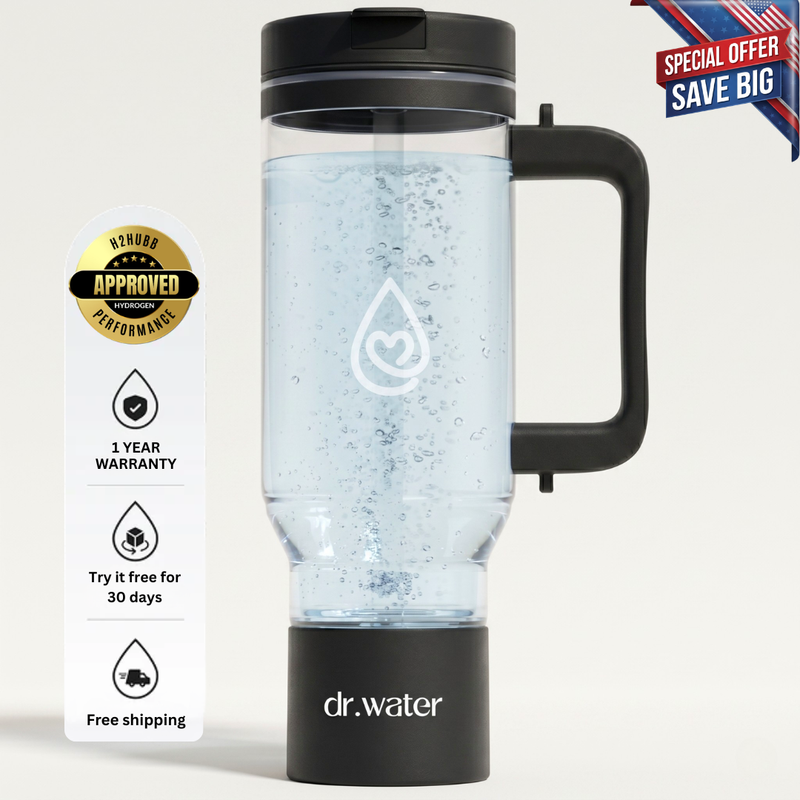
If you want a bottle built around this thinking, the Hydrator Max ships with a certified SPE/PEM membrane, a platinum-plated electrode, and a waste-gas vent, backed by a 30-day risk-free trial. Check it out here.