TLDR
The base is sealed against everyday splashes, not against a dishwasher cycle's heat, pressure, and detergent. Wipe it down with a damp cloth, keep water away from the charging port specifically, and never run it through the dishwasher.

What the waterproof rating actually protects against
The base houses the battery, the circuit board, and the charging port, all sealed against splashes and the normal moisture of daily use like a wet hand or a drip from the chamber above. That is a different thing from being built to survive full submersion or the water pressure and heat of a dishwasher cycle.
Dishwashers combine hot water, high pressure jets, and detergent chemicals hitting the unit from every angle for an extended cycle. That is well outside what any splash-resistant seal is rated for.
Cleaning dos and don'ts
| Do | Don't |
|---|---|
| Wipe the exterior with a damp cloth | Submerge the base in water or a sink |
| Rinse only the chamber and threading, keeping the port dry | Run the base through the dishwasher |
| Use citric acid inside the chamber for descaling | Spray cleaner directly at the charging port |
| Let it air dry fully before charging after any cleaning | Charge it while any part is still wet near the port |
Protecting the charging port specifically
- Always keep the charging port facing up or away from the chamber opening when you fill or clean the bottle.
- If water gets near the port, wipe it dry immediately and let it air out before plugging in a cable.
- Never clean around the port with a wet cloth, use a dry one only.
The port is the single most vulnerable point on the whole unit. Everything else about the base is built to shrug off normal splashes, but a charging port with water sitting in the contacts is how circuitry actually gets damaged.
The port is the single most vulnerable point on the whole unit.
Signs of water damage to watch for
- The unit not powering on after being wiped down aggressively or getting splashed heavily.
- Charging light flickering or not registering a connection after any moisture exposure near the port.
- Any visible water residue or discoloration inside the port itself.
If you see any of these, let it dry fully for at least 24 hours away from any heat source before trying to charge it again, then reach out to support if the issue continues.
I know the instinct to just toss the whole thing in with the rest of the dishes. Resist it here. The five minutes a hand wipe-down takes is a lot cheaper than a base that will not charge anymore.
FAQ
Can I rinse the base under a running faucet?
Keep the charging port away from the water stream and you can rinse the chamber and exterior briefly. A damp cloth wipe-down is the safer habit for the base itself, particularly near the port.
What if the base already went through the dishwasher once?
Let it air dry completely for at least 24 hours before attempting to charge or use it, then test carefully. If it does not power on normally afterward, reach out to support rather than continuing to try.
Is the chamber itself dishwasher safe even if the base is not?
The borosilicate glass chamber can handle more heat and moisture than the base, but check for any electronic components before assuming any part goes in a dishwasher. When in doubt, hand wash everything.
How do I clean the charging port if it gets dusty or grimy?
A dry, soft brush or a puff of compressed air is the safest way to clear debris from the port. Skip liquid cleaners near it entirely.
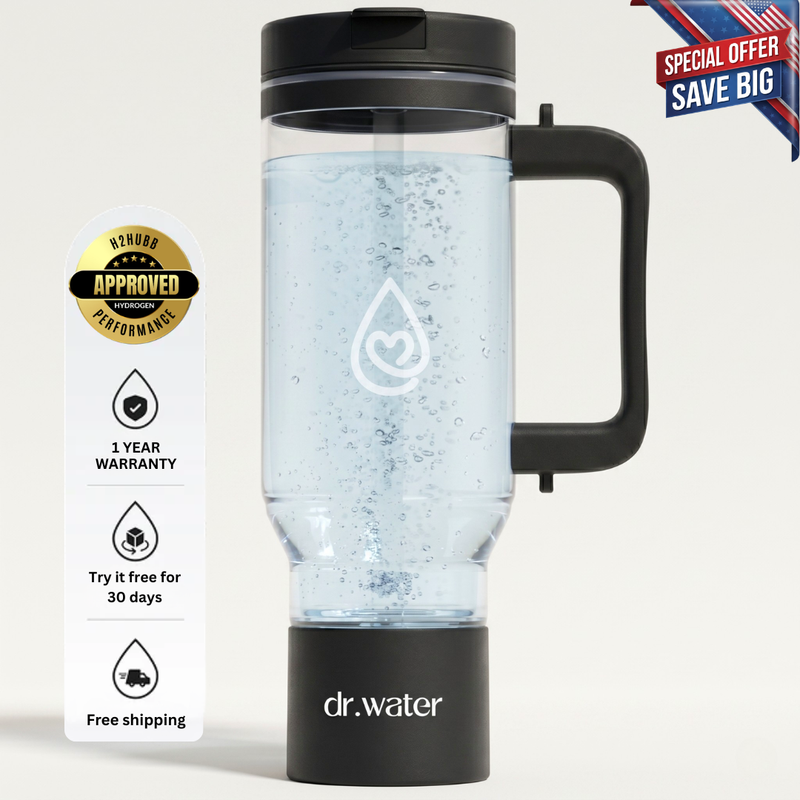
If you want a base you do not have to think twice about wiping down, the Hydrator Max comes with a 30-day risk-free trial so you can put it through your actual routine before deciding. Take a look here.