TLDR
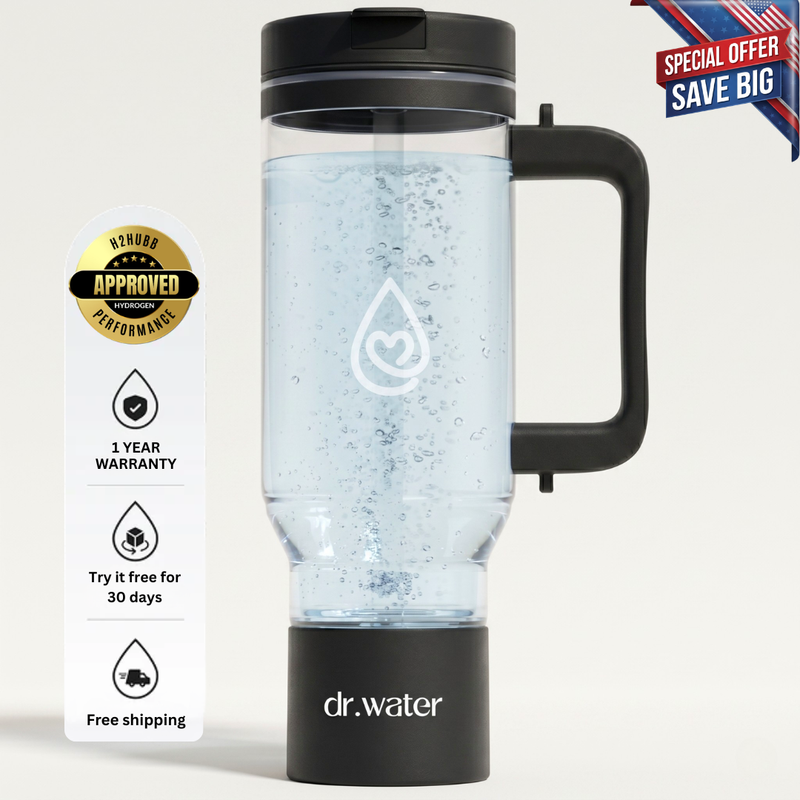
The Hydrator Max uses a certified SPE/PEM membrane with a platinum-plated electrode and a dedicated waste-gas vent, reaching a peak of 10,000 PPB (10 ppm) measured on-device. See the table below for what IonBottles ATOM publishes on its own membrane and output. Here's how SPE/PEM electrolysis and venting actually work, so you can judge either bottle on the mechanics.

How SPE/PEM electrolysis actually works
People searching for IonBottles ATOM next to the Hydrator Max are usually trying to figure out if one membrane technology beats another, or if the marketing language is doing more work than the engineering. It is worth walking through the mechanics first.
SPE stands for solid polymer electrolyte, and PEM stands for proton exchange membrane. Together they describe the core technology that splits water into hydrogen and oxygen inside the chamber.
This is the same broad class of membrane technology used across the hydrogen bottle category, ours and most competitors included. What varies between brands is the electrode, the pressure the chamber holds, and whether byproduct gas is vented or left to dissolve.
- Water enters the pressurized chamber
- Current passes through a platinum-plated electrode
- The membrane separates hydrogen from oxygen and trace byproduct gases
- Hydrogen dissolves into the water under pressure
- Waste gas is routed out through a dedicated vent
Every step in that chain affects the final ppb reading. A weak electrode, a chamber that cannot hold pressure, or a membrane with no vent can all lower the number, even if the underlying technology class is the same.
Where do the byproduct gases go?
Electrolyzing water can produce trace chlorine and ozone as byproducts, especially depending on the source water. A vented design expels that gas instead of letting it dissolve alongside the hydrogen.
An unvented chamber has nowhere for byproduct gas to go except into your water.
Before you trust any bottle's safety claims, find out in plain language where the byproduct gas goes during a cycle. If a listing does not mention it at all, that silence is worth noticing.
Our verified numbers
Here is the full picture we can put our name behind. Use it as the checklist for IonBottles ATOM's own listing, spec by spec.
| Spec | Hydrator Max | IonBottles ATOM |
|---|---|---|
| Membrane type | Certified SPE/PEM | Medical-grade DuPont PEM claimed, ozone-free (their site, Aug 2026) |
| Electrode | Platinum-plated | Titanium plates claimed, per their warranty section; no plating material named (their site, Aug 2026) |
| Waste-gas handling | Dedicated vent, expelled not dissolved | Dual-chamber ozone separation claimed, mechanism not detailed (their site, Aug 2026) |
| Peak dissolved H2 | 10,000 PPB (10 ppm), on-device | 5,000 ppb claimed, described as ISO/IEC 17025-certified output (their site, Aug 2026) |
Competitor figures are what IonBottles publishes on ionbottles.com, retrieved August 2026. Specs change; their page is the source of truth.
How to evaluate any membrane claim
Ask the same three questions of any hydrogen bottle: what type of membrane, where does waste gas go, and what water types are supported. Those three answers tell you more than a marketing name ever will.
For IonBottles ATOM specifically, that means checking the table above: they publish a membrane class, an ISO/IEC 17025 output claim, and a dual-chamber ozone separation claim, but do not detail the plating on their titanium electrode plates or how the ozone separation actually works (their site, Aug 2026).
FAQ
What does SPE/PEM mean?
Solid polymer electrolyte and proton exchange membrane. It is the membrane technology that separates hydrogen from oxygen and trace byproduct gases during electrolysis, and it is the same general technology class used across most modern hydrogen bottles.
Does the Hydrator Max vent waste gas?
Yes. Trace chlorine and ozone produced during electrolysis are expelled through a dedicated vent, not dissolved into the water you drink. The electrode itself is platinum-plated and sits inside a pressurized chamber to support the peak dissolved reading.
How is IonBottles ATOM's membrane different from the Hydrator Max?
We can only verify our own build. IonBottles ATOM states medical-grade DuPont PEM electrolysis with dual-chamber ozone separation and titanium electrode plates, but does not detail the plating or the separation mechanism (their site, Aug 2026). Compare those line by line against what we publish here.
What water can I use?
RO, distilled, or filtered water. Do not electrolyze water with added salts or powders, mix those in after the cycle finishes.
Want to see the vented SPE/PEM system in action? Try the Hydrator Max for 30 days, risk-free.
⚕️ Clinicians' Choice
2,033 clinicians share Dr. Water on VerifiedMD without compensation.