TLDR
A hydrogen pitcher carbon filter and its electrolysis plate do two separate jobs: one strips chlorine and sediment, the other adds dissolved hydrogen. Swap the filter on schedule or you are running electrolysis through dirty water, and descale the chamber if you see white buildup.

Your filter and your electrolysis plate do different jobs
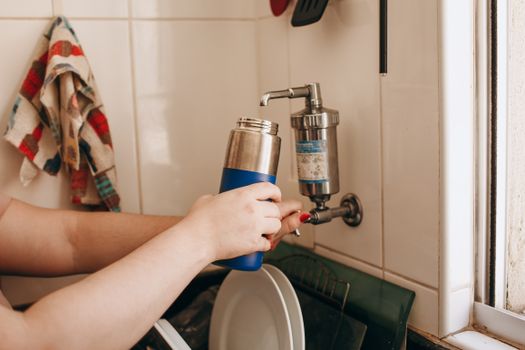
A hydrogen pitcher usually has two separate parts working together: a carbon filter cartridge that pulls out chlorine, sediment, and odors, and an electrolysis plate that adds dissolved hydrogen gas to whatever water comes through. Neither one does the other job.
If you only think about the hydrogen side, it is easy to forget the filter is a consumable part with its own replacement schedule.
I get emails from customers who assumed the whole pitcher was maintenance-free because the hydrogen part felt like the main feature. The filter cartridge still wears out on its own timeline, separate from anything happening at the electrolysis plate.
Why chlorine has to come out first
Running electrolysis through water that still has chlorine in it is not the cleanest way to generate hydrogen. You are adding current to water that already has reactive compounds in it. Filtering first gives the electrolysis step cleaner water to work with.
When to replace the filter
Most carbon filter cartridges in pitchers are rated by volume, commonly somewhere between 40 and 150 gallons depending on the brand, or by a time window if usage is light. Once a filter capacity is used up, it stops pulling contaminants and can even start releasing what it has already trapped.
Once a filter capacity is used up, it stops pulling contaminants and can start releasing what it has already trapped.
- Set a calendar reminder based on the manufacturer gallon or month rating
- Watch for slower flow through the pitcher, which often signals a clogged filter
- Taste or smell changes are a sign you are overdue
How long a filter lasts by household size
| Household size | Typical filter life | Replace roughly every |
|---|---|---|
| 1-2 people | 2-3 months of light use | 60-90 days |
| 3-4 people | 6-8 weeks of steady use | 45-60 days |
| 5+ people | 4-6 weeks of heavy use | 30-45 days |
What to do about scale buildup
Scale is mineral buildup, usually calcium, that shows up as a white or chalky film inside the reservoir or on the electrolysis plate. It is more common with hard tap water and less common with RO or distilled water.
A citric acid descale handles most buildup. Run a citric acid solution through the chamber per the manufacturer instructions, rinse thoroughly, and switch to RO or distilled water going forward if scaling keeps recurring.
Ignoring scale for months does not usually damage the unit outright, but it can slow the electrolysis plate down and leave you with a weaker dose per cycle than you are used to.
RO water is the simplest fix for scale.
FAQ
How often should I replace my hydrogen pitcher filter?
It depends on your household size and water hardness, but most cartridges are rated by gallons filtered, commonly 40 to 150 gallons. Check your specific filter rating and set a reminder rather than waiting for taste to change.
What causes white buildup inside a hydrogen bottle or pitcher?
That is typically calcium scale from mineral content in your source water. It is more common with hard tap water and rare if you are running RO or distilled water through the chamber.
Can I use citric acid to descale my Hydrator Max?
Yes, citric acid is the recommended descaling method if you notice scale buildup. Rinse thoroughly afterward and switch to RO or distilled water to reduce how often you need to do it.
Does a dirty filter affect hydrogen concentration?
A clogged or expired filter mainly affects flow and contaminant removal rather than the hydrogen electrolysis step directly, but running electrolysis through unfiltered water is not ideal. Keep the filter on schedule and use RO, distilled, or filtered water.
The Hydrator Max skips the filter cartridge entirely since it is built for water you have already filtered, RO'd, or distilled, one less consumable to track. Try the Hydrator Max with a 30-day risk-free trial.