For athletes, proper hydration directly influences energy levels, muscle function, and how quickly your body bounces back after intense training sessions.
The right hydration strategy can also reduce muscle cramps and inflammation, allowing you to train harder and longer. But with so many water options available, how do you choose the best water for athletes?
In this article, we’ll examine why hydration is crucial for athletes, identify the symptoms of dehydration, explore the best types of water for hydration, and discuss the ideal timing for drinking water to maximize both performance and recovery.
Key Takeaways
|
Why Is It Important for Athletes to Stay Hydrated?

Proper hydration is essential for athletes, as it impacts various aspects of physical performance and overall well-being. Here's why staying hydrated matters:
- Fewer Muscle Cramps: Dehydration increases the likelihood of muscle cramps, reducing your ability to perform. Proper hydration helps maintain muscle function and reduces cramping.
- Better Energy Levels: When you’re hydrated, your body can maintain energy levels more effectively, preventing the fatigue that can limit your performance.
- Faster Recovery Times: Hydration aids in muscle repair and the elimination of waste products from your body, promoting faster recovery after strenuous activities.
- Improved Sleep: Magnesium, often found in mineral-rich waters, helps with muscle relaxation and improves sleep quality, which is essential for recovery.
- Less Inflammation: Proper hydration supports circulation, reducing inflammation and promoting better blood flow, which helps alleviate post-exercise soreness.
Also Read: What Really Happens During Hydrogen Electrolysis of Water?
Dehydration Symptoms
Even mild dehydration can lead to noticeable symptoms that hinder performance. These include:
- Fatigue: Dehydration can leave you feeling sluggish, decreasing your endurance and focus.
- Cramping: Low fluid levels can cause muscle cramps, which can significantly impact training and competition.
- Dizziness: Dehydration affects blood circulation, leading to dizziness or lightheadedness during intense exercise.
- Decreased Performance: Dehydration affects coordination, strength, and endurance, reducing overall athletic performance.
- Slower Recovery: Lack of hydration slows down the body’s ability to recover and repair muscles, leading to extended soreness and fatigue.
Also Read: Hydrogen Water: Exploring Health Claims and Scams
Let’s look into the best types of water athletes should drink for optimal hydration.
What Type of Water is Best for Athletes to Stay Hydrated?

The best water for athletes isn’t just any water; it’s water that helps maintain electrolyte balance, provides hydration, and supports performance.
- Filtered Water: Clean, filtered water ensures you’re drinking water free from contaminants. It’s a solid choice for hydration, especially when paired with a balanced diet.
- Mineral Water: Mineral water contains electrolytes like calcium, magnesium, and sodium, which are essential for hydration and muscle function. It can help replenish electrolytes lost during exercise.
- Electrolyte-Infused Water: During intense exercise, you lose a significant amount of electrolytes. Drinking water with added electrolytes can help restore your sodium, potassium, and magnesium levels.
- Hydrogen Water: Best water for athletes looking for enhanced recovery, hydrogen-rich water is packed with antioxidants that help reduce inflammation, support muscle recovery, and improve hydration efficiency.
Next, let’s look at how to hydrate before, during, and after a workout.
Hydration Timing: Before, During, and After
To maximize performance, hydration must be timed properly before, during, and after a workout. Here’s how to hydrate at each stage:
Before Your Workout
Proper hydration before exercise ensures your body is ready to perform at its best, helping maintain energy and muscle function throughout the session.
- Start Early: Drink water at least 30 minutes before exercise to ensure your body is properly hydrated.
- Electrolytes Matter: If you're doing a high-intensity workout, consider consuming water with electrolytes to help balance your fluids and maintain energy.
- Optimal Intake: Aim for around 500ml (17-20 oz) of water in the 2-3 hours before starting your workout. This will give your body time to absorb the fluids before you begin exerting yourself.
During Your Workout
Staying hydrated during your workout helps maintain performance, regulate temperature, and prevent dehydration, allowing you to stay energized and focused.
- Stay Consistent: Take small sips of water regularly throughout your workout to prevent dehydration.
- Electrolytes for Endurance: If you’re exercising for more than an hour, drinking water with electrolytes will help maintain hydration and replace the salts lost in sweat.
- Optimal Intake: Aim for 200-300ml (7-10oz) every 10-20 minutes during moderate-intensity exercise, or more if you're engaging in a long or intense workout.
After Your Workout
Rehydrating after exercise is crucial to replenish lost fluids, support muscle recovery, and reduce fatigue, ensuring you're ready for your next training session.
- Rehydrate Quickly: After your workout, it’s essential to rehydrate and replenish the fluids lost during exercise. This speeds up recovery and helps prevent soreness.
- Electrolytes and Recovery: Drinking water with electrolytes can speed up recovery by replenishing lost minerals and aiding muscle repair.
- Optimal Intake: Aim to consume around 16 -24 oz post-workout, followed by additional fluids throughout the day.
Also Read: Difference and Effects of Hydrogen Water and Alkaline Water on Body pH
Finally, see how Dr. Water’s hydrogen solutions can optimize your hydration strategy.
How Can Dr. Water’s Hydrogen Technology Provide Athletes with Optimal Hydration
When it comes to staying hydrated, Dr. Water’s hydrogen solutions provide the best water options for athletes, enhancing hydration, boosting energy, and accelerating recovery. Hydrogen-rich water delivers antioxidants that support muscle repair, reduce inflammation, and keep you performing at your best.
Here's how Dr. Water’s products help you stay hydrated and recover faster:
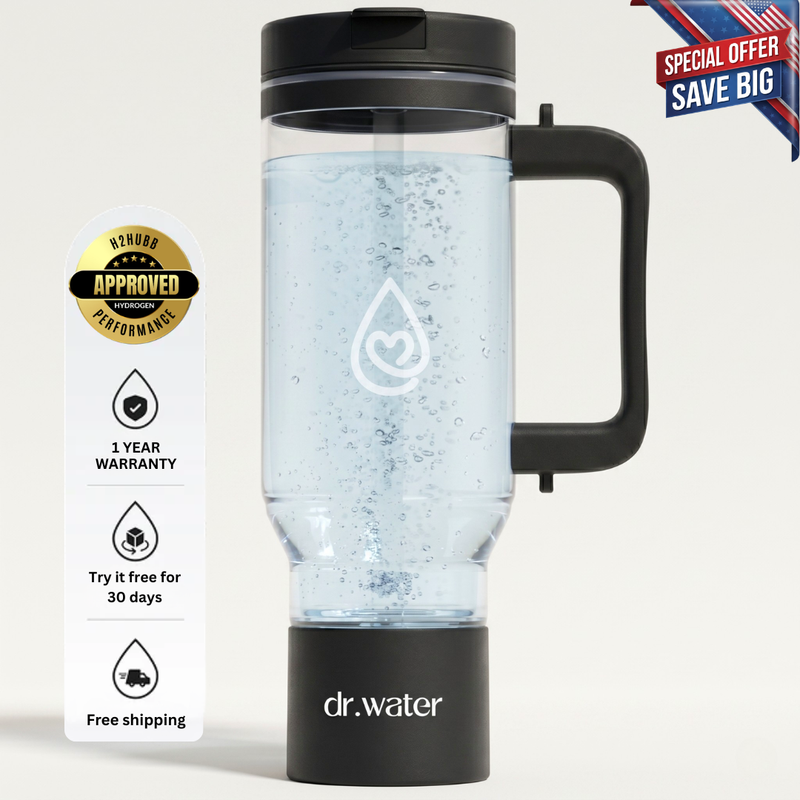
HydroStanley 32oz

The HydroStanley 32oz delivers 5000 PPB of hydrogen in just 10 minutes, offering optimal hydration for athletes. With its 4000 mAh rechargeable battery and self-cleaning technology, it’s a perfect, low-maintenance option for daily hydration.
Key benefits:
- Self-Cleaning Function: Keeps your water fresh and pure, ensuring clean hydration throughout the day.
- Compact & Portable: At 32oz, it’s easy to carry around for athletes on the go, providing hydration wherever you are.
- Effortless Maintenance: Designed for easy upkeep, this bottle keeps your hydration routine simple and hassle-free.
HydroFixx Hydrogen + Electrolytes Mix

The HydroFixx Hydrogen + Electrolytes Mix transforms ordinary water into antioxidant-packed, hydrogen-rich hydration. It replenishes electrolytes lost during exercise, reduces fatigue, and supports quicker recovery.
Key benefits:
- Restores Energy & Focus: Combats fatigue and enhances performance during and after exercise.
- Promotes Cellular Health: The antioxidants help reduce inflammation and accelerate muscle repair.
- Sustainable & Convenient: Convert regular tap water into high-quality hydrogen water, without relying on plastic bottles.
- Fights Fatigue & Brain Fog: The added electrolytes and hydrogen boost mental clarity, fighting fatigue and improving focus during workouts and recovery.
With Dr. Water’s advanced hydrogen solutions, including the HydroStanley 32oz and HydroFixx Hydrogen + Electrolytes Mix, you get the best water for athletes to keep you hydrated, energized, and rejuvenated with a 60-day risk-free trial.
Final Words
The best water for athletes is one that hydrates, replenishes electrolytes, and aids in muscle recovery. To get the most out of your workouts, it’s essential to hydrate before, during, and after exercise. If you opt for filtered water, mineral water, or hydrogen-rich water, choosing the right hydration method ensures your body is fueled and ready to recover efficiently.
Get the best water for athletes with Dr. Water’s hydrogen solutions, formulated to optimize hydration, accelerate muscle recovery, and replenish electrolytes. Our advanced technology ensures you stay energized, reduce soreness, and recover faster after every workout, making hydration a key part of your performance.
Shop now to experience the ultimate in athlete hydration and recovery.
FAQs
1. How does the timing of hydration affect athletic performance and recovery?
Proper hydration before, during, and after exercise maximizes performance, prevents dehydration, supports energy levels, and speeds up recovery by ensuring optimal fluid balance.
2. How do electrolytes in water impact athletic performance during endurance sports?
Electrolytes such as sodium, potassium, and magnesium help maintain fluid balance and muscle function and prevent cramping, ensuring sustained energy and peak performance during endurance exercises.
3. What is the role of magnesium in hydration for athletes?
Magnesium supports muscle function and relaxation, prevents cramps, and aids in hydration by regulating fluid balance and improving sleep quality, which is crucial for recovery.
4. Can mineral water replace sports drinks for hydration during intense exercise?
Mineral water with electrolytes can replace sports drinks, providing essential minerals without added sugars, supporting hydration, and supporting muscle function during high-intensity workouts.
5. How do dehydration and poor hydration affect athletic recovery times?
Dehydration increases muscle soreness, prolongs recovery, and reduces glycogen replenishment, making it harder for athletes to recover efficiently and perform at their best.