Molecular hydrogen (H₂) has gained scientific attention over the past decade for its potential therapeutic value across a wide range of health conditions. After researchers identified its selective antioxidant properties in 2007, interest accelerated. By the end of 2022, more than 2,000 peer-reviewed papers had been published in hydrogen medicine, including original studies on humans and animal models.
Molecular hydrogen therapy is gaining traction as an alternative, science-supported approach for managing inflammation, oxidative stress, metabolic imbalance, and recovery.
This guide will discuss the core benefits of molecular hydrogen, how it works inside the body, the role of molecular hydrogen therapy, and why hydrogen water has become the most convenient approach for everyday use.
Key Takeaways
|
What Is Molecular Hydrogen?
Molecular hydrogen (H₂) is the simplest and lightest molecule found in nature. It consists of two hydrogen atoms bonded together by a stable nonpolar covalent bond. In its natural form, H₂ is a colorless, tasteless, and odorless gas.
Because the molecule is extremely small, it can move through cell membranes, tissues, and even the blood-brain barrier with ease. This unique property allows H₂ to act within cells and mitochondria, where oxidative stress and inflammation often begin.
Its stability, safety profile, and ability to reach deep biological targets are the reasons it is being studied for therapeutic applications across metabolic health, recovery, organ protection, and cellular balance.
What Are Molecular Hydrogen’s Main Benefits?
Research highlights several core biological effects of molecular hydrogen that are relevant across different health conditions:
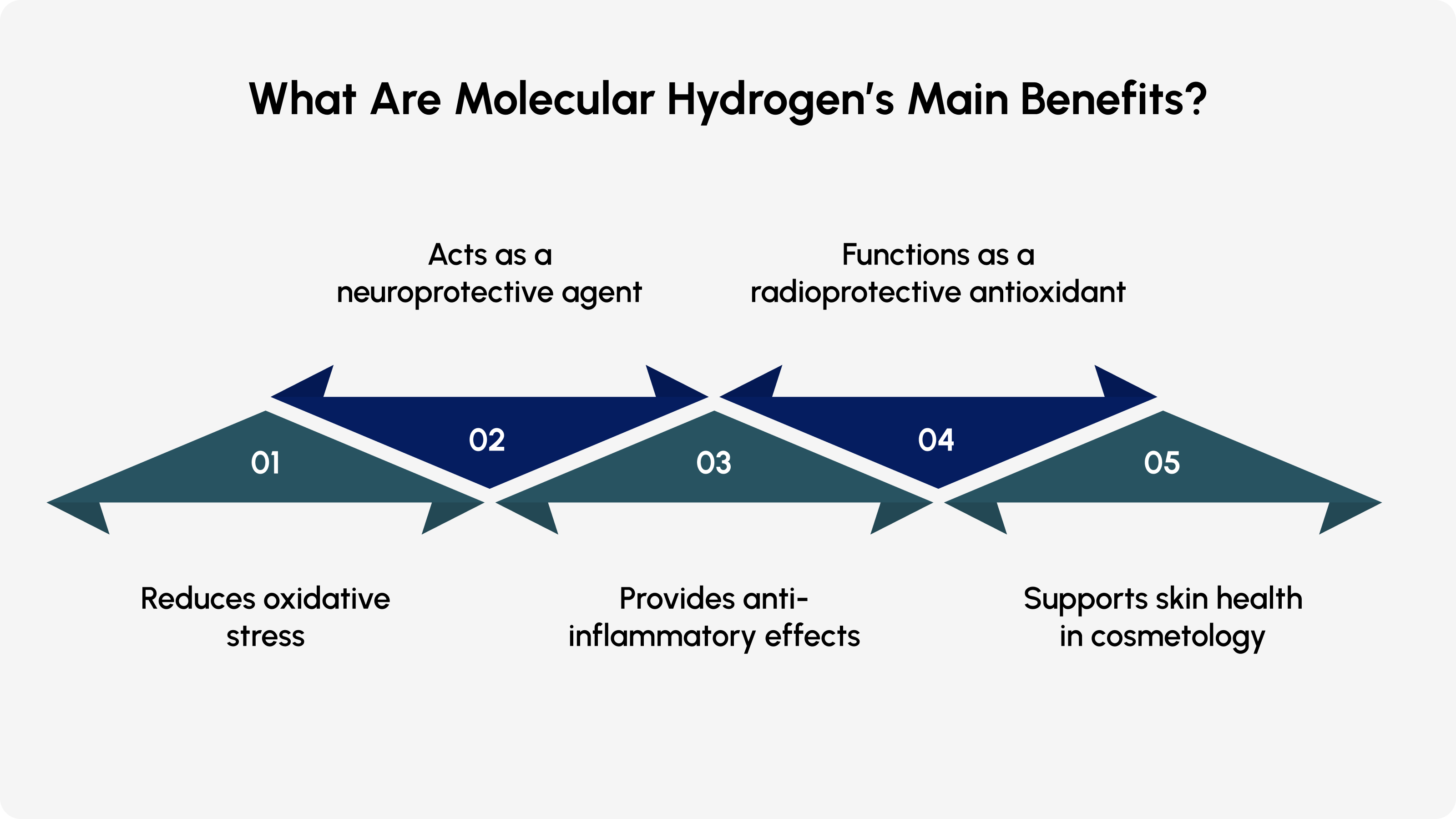
- Reduces oxidative stress: Studies show that H₂ selectively targets harmful reactive oxygen species, helping lower oxidative damage linked to chronic diseases, aging, and tissue injury.
- Acts as a neuroprotective agent: Studies reveal that H₂ supports brain health by reducing oxidative stress in neural tissue. This has led to growing interest in its potential role in conditions involving cognitive decline and other brain-related disorders.
- Provides anti-inflammatory effects: H₂ has demonstrated the ability to downregulate inflammatory pathways, which may help reduce tissue swelling, improve recovery, and support overall cellular balance.
- Functions as a radioprotective antioxidant: Evidence suggests that H₂ can help protect cells from damage caused by radiation exposure by neutralizing specific free radicals generated during oxidative stress.
- Supports skin health in cosmetology: In dermatology and cosmetic studies, hydrogen has shown potential for improving skin hydration, reducing oxidative aging of the skin, and supporting barrier function.
While these findings show promising biological effects, research on molecular hydrogen is still evolving. Many of its potential benefits for the human body are yet to be comprehensively studied, validated, and applied in clinical settings.
What Is Molecular Hydrogen Therapy?
Molecular hydrogen therapy involves administering H₂ to support biological functions and reduce oxidative or inflammatory stress. Multiple delivery approaches are used in research, and each method influences how efficiently hydrogen reaches tissues, how long it stays active, and how suitable it is for clinical or everyday use.
Inhalation
Inhalation delivers hydrogen gas directly into the lungs, allowing rapid entry into the bloodstream. This method is commonly used in medical research because inhaled H₂ can reach high concentrations quickly. It is being studied for acute conditions involving oxidative injury, neurological protection, and organ damage.
Oral Consumption: Hydrogen-Rich Water (HRW)

Drinking hydrogen-rich water is the most practical and widely adopted method outside clinical settings. Although it delivers lower concentrations compared with inhalation, it still allows H₂ to disperse throughout the body due to its small molecular size. Oral intake is simple, safe, and suitable for daily use, making it relevant for wellness, metabolic support, and recovery-focused consumers.
Hydrogen-Rich Saline Injection (HRS)
This method delivers dissolved H₂ through intravenous saline. It is used in controlled medical and laboratory environments where precise dosing and targeted delivery are required. Research explores its role in organ injury, metabolic imbalance, and conditions needing higher H₂ concentrations than oral intake can provide.
Hydrogen Baths
Hydrogen-infused water baths allow H₂ to be absorbed through the skin. This approach is explored for local tissue benefits, including inflammation reduction and wound or skin support.
Endogenous Production and Nanomaterial-Assisted Delivery
Newer research investigates strategies that increase hydrogen production inside the body or use nanocarriers to release H₂ in targeted sites. These advanced methods are still experimental but show potential for controlled, longer-lasting therapeutic effects.
These methods differ in bioavailability, depth of tissue penetration, and suitability for either clinical research or daily use. Inhalation, injection, and emerging nanotechnology-based delivery are primarily studied in medical or laboratory environments, while oral consumption of hydrogen-rich water remains the most accessible and safe option for general users.
Also read: Hydrogen Water: Benefits and Health Effects Explained
Why Hydrogen Water Is an Ideal Daily Option
Hydrogen-rich water (HRW) offers a practical way to incorporate molecular hydrogen into daily life without requiring medical equipment or supervised administration. It fits easily into the routines of fitness enthusiasts, seniors, busy professionals, and anyone focused on recovery or long-term wellness.
Simple to Use in Everyday Routines

HRW can be consumed like regular water, making it a low-effort option for people who want consistent exposure to H₂ without changing their lifestyle.
High Safety and Long-Term Suitability
Clinical studies show that HRW is a low-cost, portable, and safe method for delivering molecular hydrogen. Unlike inhalation, it can be consumed freely while awake, and users do not develop tolerance with prolonged use.
Fast Absorption Through a Natural Pathway
Drinking HRW relies on the digestive tract and portal vein system for uptake. This route makes it especially relevant for effects tied to the gastrointestinal system, liver, and brain. After circulating, much of the H₂ is released naturally through the lungs, with a portion remaining available for therapeutic action.
Different Effects Compared with Inhalation
Studies indicate that HRW and inhaled H₂ do not behave identically in the body. Oral intake appears to exert more direct benefits on digestive health, metabolic function, and certain neurological pathways due to how H₂ is absorbed and transported.
Accessible for Broad User Groups
Because it is portable, affordable, and easy to integrate into hydration habits, HRW works well for:
- Fitness users managing oxidative stress and recovery.
- Seniors seeking safe daily support.
- Professionals dealing with fatigue or cognitive load.
- Individuals focused on metabolic balance and general wellness.
If you are considering molecular hydrogen as an alternative therapeutic approach, hydrogen-rich water provides a low-cost, safe, and practical method to begin. The market now offers several hydrogen water bottles designed to deliver consistent H₂ levels, making it easier for users to integrate this therapy into daily routines with minimal effort.
Also Read: Best Hydrogen Water Bottle for Daily Use
How to Choose the Right Hydrogen Water Product
Selecting an effective hydrogen water product requires understanding how reliably it produces and maintains molecular hydrogen. Not all devices generate the same concentration or purity, so evaluating a few key factors helps ensure meaningful results.
Hydrogen Concentration (ppm)
Choose a device that consistently produces a high dissolved hydrogen concentration. Most research-grade benefits appear in the range of 1–3 ppm or higher, depending on the method and design.
Membrane Quality and Technology
SPE/PEM (Solid Polymer Electrolyte / Proton Exchange Membrane) technology is preferred because it produces clean hydrogen without ozone or chlorine byproducts. Medical-grade membranes improve stability and safety.
Bottle Capacity and Convenience
Consider how the product fits into your daily routine. Larger-capacity bottles suit hydration-focused users, while compact designs work better for travel, work, or workouts.
Battery Life and Build Quality
Long-lasting rechargeable batteries support frequent use throughout the day. Durable materials such as BPA-free plastics or stainless steel enhance safety and longevity.
Purity and Safety Certifications
Reliable brands provide third-party testing, safety certifications, and clear documentation of hydrogen output to ensure consistent performance.
How Dr. Water Devices Deliver Effective Molecular Hydrogen
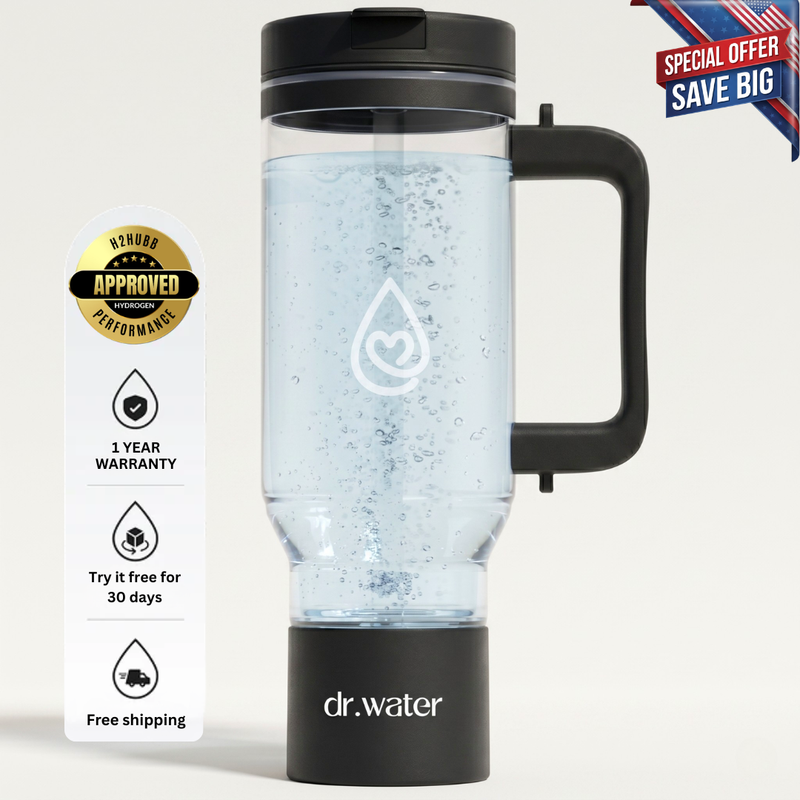
Dr. Water hydrogen bottles are designed to deliver consistent, high-quality hydrogen water whether you are at home, at work, or on the move. Each bottle supports effective H₂ infusion through advanced SPE/PEM technology, helping users access molecular hydrogen’s cellular and antioxidant benefits with ease.
1. Dr. Water Hydrator Pro – 8 ppm Hydrogen Water Bottle
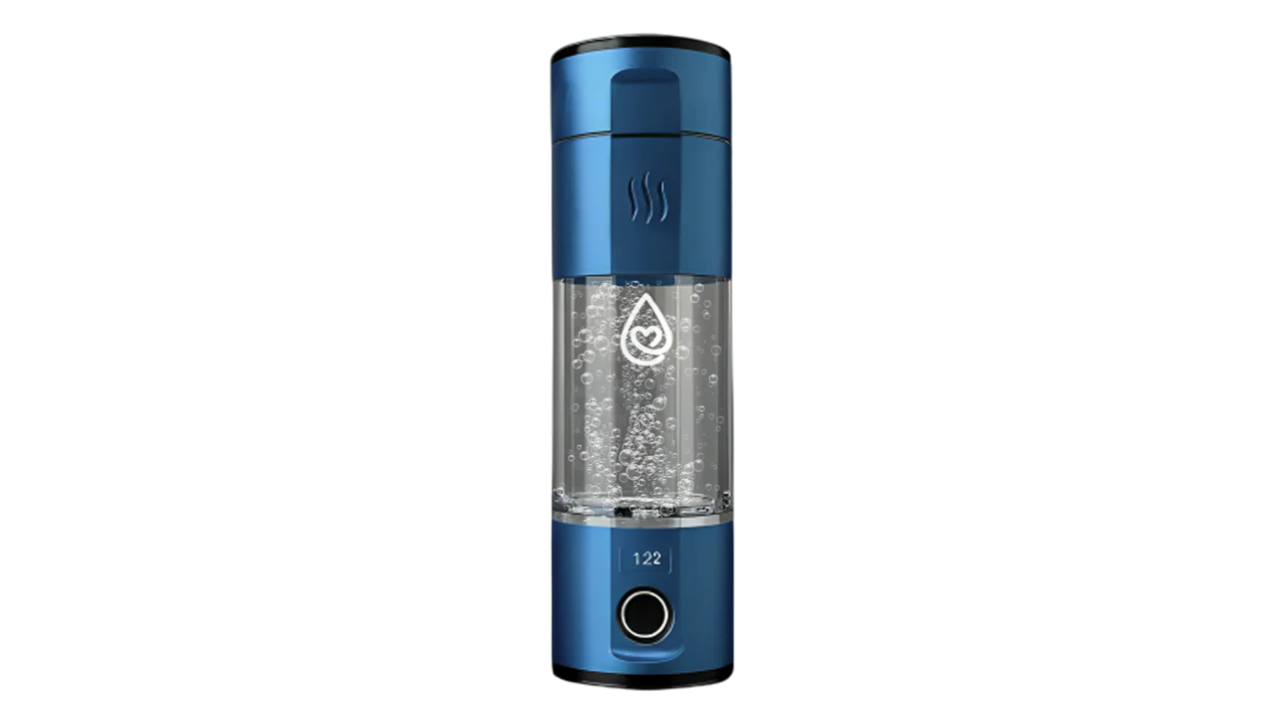
- Hydrogen level: 5,500–8,000 ppb for strong antioxidant support
- Build: Food-grade Makrolon with military-grade aluminum oxide
- Battery: 2,200 mAh rechargeable; suitable for frequent on-the-go use
- Ideal for: Gym sessions, running, travel, and busy daily routines
2. HydroDaily Hydrogen Bottle
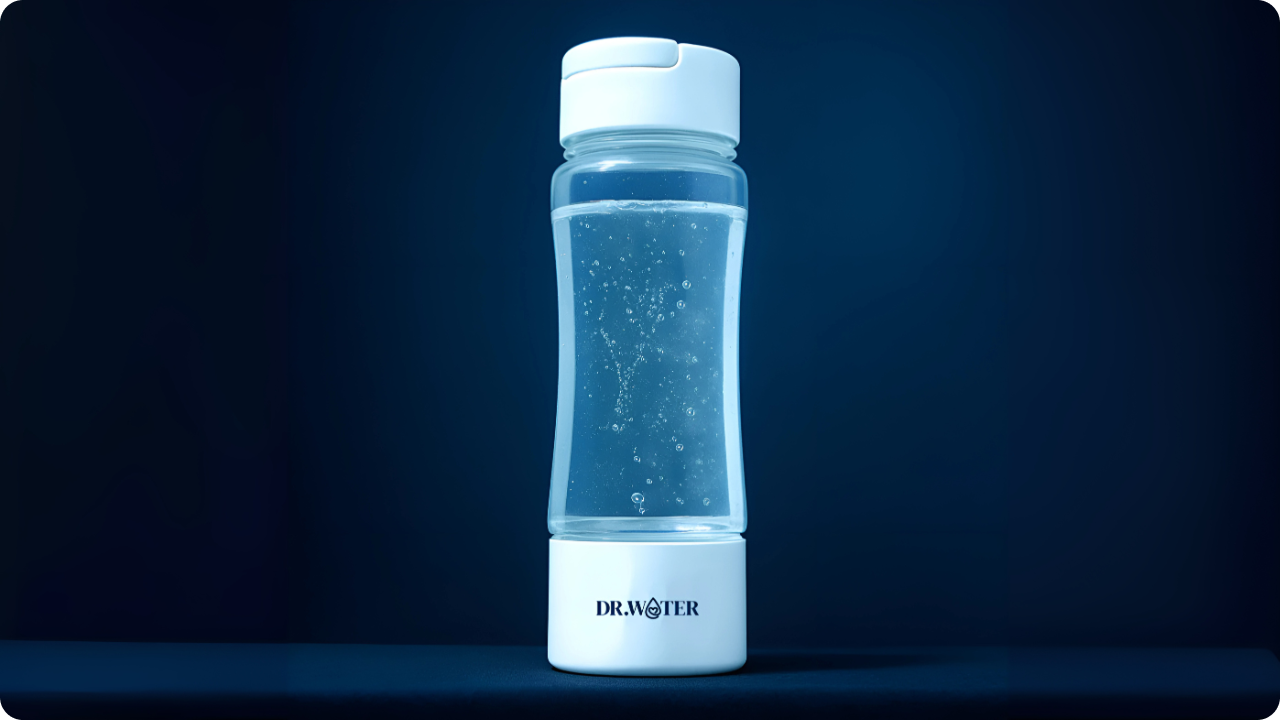
- Capacity: 13 oz (≈385 ml) for single-serve hydration
- Hydrogen level: Up to 3,000 ppb in 7 minutes
- Materials: Borosilicate glass, BPA-free, FDA-approved
- Battery: Type-C rechargeable, optimized for everyday use
- Durability: Tested for over 1,000 cycles; compact and portable
3. HydroStanley Premium Hydrogen Water Bottle
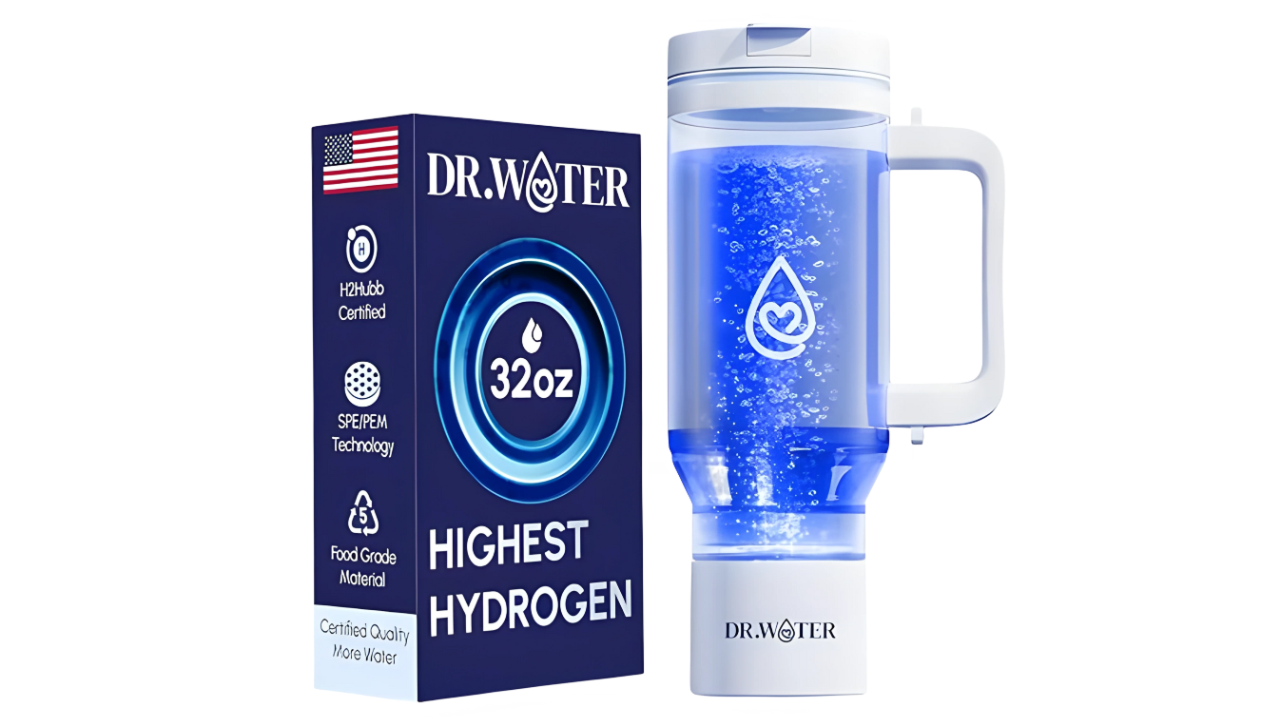
- Capacity: 32 oz (≈1 liter) for full-day hydration
- Hydrogen level: Up to 5,000 ppb in 10 minutes via Nano Electrolysis Ionizer (SPE-PEM)
- Battery: 4,000 mAh, Type-C rechargeable, lasting 7–10 days per charge
- Build: High-grade, BPA-free materials; lightweight at 1.28 lbs
Why Choose Dr. Water Bottles?
- Reliable hydrogen infusion: Consistent high H₂ concentration with every cycle
- Portable and durable: Lightweight designs built for daily use
- Wellness support: Helps improve hydration, reduce oxidative stress, and support cellular balance
- Low maintenance: Simple, easy-to-clean components
Dr. Water devices offer a practical way to access molecular hydrogen anytime and anywhere, making it easier to choose a bottle that fits your hydration habits and wellness goals. Explore the range and shop now to start your hydrogen hydration routine.
Wrapping Up
Molecular hydrogen has gained scientific attention for its potential to reduce oxidative stress, support neurological health, modulate inflammation, and aid tissue protection. While research continues to evolve, current evidence highlights meaningful biological activity across several systems, making H₂ an emerging option in preventive and therapeutic wellness.
Hydrogen-rich water offers a simple way for individuals to engage with this therapy. It is safe, low-cost, and easy to integrate into daily routines without lifestyle changes. As studies progress, HRW remains one of the most accessible ways to experience the potential benefits of molecular hydrogen in everyday life.
Dr. Water devices deliver consistent, high-quality hydrogen infusion via advanced SPE/PEM technology, providing users with a reliable way to add H₂ to their hydration routine.
Whether you are focused on recovery, overall wellness, energy support, or long-term cellular health, choosing the right hydrogen water bottle can help you begin your journey with confidence. Shop now to get started.
FAQs
1. Is molecular hydrogen safe for daily use?
Yes. Current studies report that molecular hydrogen is safe at commonly used concentrations. HRW and inhalation methods show no known toxic effects and do not produce tolerance with long-term use.
2. How quickly does hydrogen-rich water work in the body?
H₂ is absorbed rapidly through the digestive tract and enters the bloodstream within minutes. Its effects are short-lived, which is why regular consumption is recommended for consistent exposure.
3. Can hydrogen water replace medical treatment?
No. Molecular hydrogen may offer supportive benefits, but it should not replace prescribed medical treatments. It can be used alongside standard care unless otherwise advised by a healthcare professional.
4. What is the difference between inhaling H₂ and drinking hydrogen water?
Inhalation delivers higher concentrations and is used mainly in clinical or research settings. HRW provides lower concentrations but offers unique benefits tied to the digestive tract, liver, and brain due to its absorption pathway.
5. Who may benefit from hydrogen-rich water?
People interested in managing oxidative stress, supporting recovery, promoting metabolic balance, or improving hydration habits may find HRW helpful. It is suitable for fitness users, seniors, professionals, and general wellness-oriented individuals.