Key Takeaways
|
A large share of adults experience lower extremity fatigue each day, with studies suggesting most people report tired or heavy legs by evening. It’s no surprise that natural ways to support daily comfort and leg wellness are gaining attention.
People are beginning to look beyond quick fixes, exploring simple lifestyle habits that might gently support circulation, muscle ease, and overall mobility. There’s growing curiosity around routines and products that fit into everyday life without feeling overwhelming.
This blog explores lower extremity fatigue, the common leg fatigue causes behind tired legs, and thoughtful ways to support daily comfort through sustainable routines and small wellness habits.
Once you see how common fatigue is, it’s easier to understand how your legs handle pressure long before pain appears.
Why Your Legs Struggle With Daily Load Even Before Pain Starts
Your lower body carries your entire weight, absorbs impact with every step, and stabilizes you through every posture shift. Over time, the load becomes more noticeable.
- Support tissues get strained: Ligaments, tendons, and fascia stretch and tighten as they manage constant pressure.
- Your posture shifts subtly: Small shifts in balance can make your legs work harder without you realizing it.
- Micro-strain accumulates: Repetitive motions add up, creating a slow build of tiredness in the background.
- Fatigue appears before symptoms: By the time heaviness or soreness arrives, your legs have already pushed through hours of compensating.
With that foundation, you can now look at the most frequent reasons your legs feel tired or heavy.
Top 10 Causes of Lower Extremity Fatigue
Lower extremity fatigue is more common than you might expect. Long work hours, limited movement, stress, and physical strain can make your legs feel heavy, sore, or tired even after simple tasks.
If you often deal with lower leg pain and fatigue, it helps to look at what might be contributing to it.
Here are the most common causes explained clearly.

1. Poor Circulation
One major reason behind lower leg fatigue is slow or inefficient blood flow. When circulation drops, your muscles get less oxygen, and this makes them feel tired faster. The heaviness that builds up during the day often traces back to this issue.
2. Muscle Overuse from Activity
If you are active or exercise often, your muscles may be working harder than they can recover. Overuse leads to microtears and soreness that show up as lasting fatigue. This becomes noticeable when regular activities start feeling more difficult.
3. Weak Muscles from Inactivity
On the opposite side, limited movement can weaken your leg muscles. When muscles lack strength, they fatigue quickly, even during everyday tasks like walking or climbing stairs. This is a common source of lower limb fatigue among people who sit for long hours.
4. Varicose Veins
Another factor that contributes to tired legs is the presence of varicose veins. They reduce the efficiency of blood moving upward from your legs. The result is swelling, aching, and end-of-day fatigue that tends to worsen over time.
5. Nutrient Deficiencies
Your leg muscles depend on minerals like iron, magnesium, and potassium for proper function. When levels drop, you may notice cramps, soreness, and recurring lower leg pain and fatigue. Resting does not always help until these deficiencies are corrected.
6. Long Hours of Sitting or Standing
Many people feel fatigued simply because their daily routine keeps them in the same position for too long. Whether you stand in one spot or sit for extended periods, circulation slows, and muscles stay tense. This leads to stiffness that turns into fatigue by evening.
7. Nerve Compression
Sometimes the issue is not in the muscles but in the nerves. Herniated discs, sciatica, or nerve irritation can interrupt signals between the spine and the legs. This creates weakness, heaviness, or tingling that adds to overall lower limb fatigue.
8. Joint Stress and Inflammation
Your joints play a key role in how effectively your legs handle movement. Arthritis, misalignment, or past injuries can increase pressure on the knee, hip, or ankle. When joints are stressed, surrounding muscles work harder, causing deeper fatigue.
9. Circulatory Disorders
Conditions like Peripheral Artery Disease limit blood supply to the lower limbs. People often notice tiredness or a burning sensation while walking, which eases once they rest. Early attention helps prevent this from progressing.
10. Hormonal and Body Changes
Changes like pregnancy, weight fluctuations, or fluid retention increase the load your legs carry each day. This often results in swelling and tiredness, especially later in the day. These changes can temporarily make lower extremity fatigue more noticeable.
Also Read: Top 10 Health Benefits of Hydrogen Water
After identifying the causes, the next step is exploring simple ways to ease daily fatigue.
4 Treatment Options for Lower Extremity Fatigue
Lower extremity fatigue can come from several everyday factors, and most people benefit from simple, steady changes rather than drastic steps.
Let’s look at supportive options that address common patterns such as lower leg pain and fatigue, lower leg fatigue causes, and lower limb fatigue.
1. Hydration That Supports Daily Wellness

Improved hydration plays a meaningful role in circulation, energy levels, and muscle comfort.
If you’re trying to improve your daily wellness routine, hydrogen-rich hydration from DDr. Water offers a simple way to support your body’s natural recovery processes.
It fits easily into your day and provides consistent hydration that may help your lower body feel more steady and refreshed.
2. Lifestyle Adjustments
A balanced diet, steady hydration, and manageable activity levels can ease everyday strain. These habits help your muscles stay energized and may reduce the heaviness or discomfort that builds up throughout the day.
3. Physical Therapy

Working with a therapist can help improve mobility, flexibility, and lower-body strength. Targeted exercises support weaker muscles and address some of the most common lower leg fatigue causes linked to posture, gait, and muscle imbalance.
4. Medication
Certain conditions, such as potassium deficiency or PAD, may require medical treatment. Proper diagnosis helps identify what’s contributing to lower limb fatigue and ensures you receive the right care
Also Read: How to Maximize the Benefits of Hydrogen Water with Smart Timing.
Beyond basic treatments, hydrogen-rich water offers added support for everyday leg comfort.
How Hydrogen Water May Help With Lower Extremity Fatigue
Your legs work hard every day. Walking, standing, climbing, and carrying body weight can make your lower legs feel heavy, tired, or sore. When muscles do not get enough rest, a good nutritional profile, or proper blood flow, fatigue builds up.
Below is how hydrogen-rich water can support leg comfort in simple words.

1. Supports Better Muscle Recovery
When your leg muscles get tired, tiny stress reactions build up. Hydrogen-rich water may help reduce this stress, making it easier for muscles to feel relaxed and recover after activity.
2. Helps With Circulation
Good blood flow is key to preventing lower leg fatigue. Some early studies show hydrogen water products may support healthy circulation, which can help your legs feel lighter and less tired.
3. Reduces Everyday Oxidative Stress
Your lower legs deal with a lot of physical load. Hydrogen water has antioxidant properties that may help calm the stress built up in muscles, joints, and tissues.
4. Supports Hydration for Muscle Comfort
Dehydration makes lower leg pain and fatigue worse. Hydrogen-rich water is easier for the body to absorb and may help keep your muscles hydrated, which supports comfort during long days.
5. May Improve Mobility and Ease Stiffness
Fatigue often comes with stiffness. Hydrogen water’s calming effect on tissues may help loosen tightness and support smooth movement in your lower limbs.
Also Read: How Hydrogen Water Can Reduce Joint Inflammation
Now that you know its benefits, here’s how to fit hydrogen water into your day with ease.
How to Include Hydrogen Water in Your Daily Routine for Lower Extremity Fatigue
You do not need to change your entire schedule to use hydrogen water. It fits easily into your day, and what truly helps is consistent use.
Your muscles and cells respond better when you take it regularly instead of once in a while. This simple step may support comfort if you deal with lower leg pain and fatigue.
Here are a few easy ways to include hydrogen water when you are managing lower limb fatigue:
- Morning: Drink a glass after waking up to support fresh circulation and light muscle activity in your legs.
- Afternoon: Take it when your legs usually feel heavy or tired. Many people feel lower leg fatigue during long hours of sitting or standing.
- After activity: Use it after walking, workouts, or long commutes. It may help your muscles handle strain and ease common lower leg fatigue causes.
- Alongside your habits: If you stretch, it may support smoother recovery. If you take short walks during the day, it may help your legs feel lighter. If you use compression or therapy, it can support the overall comfort of your lower limbs.
This is not a replacement for medical care or proven methods. It is a small addition that may support the biological side of lower extremity fatigue and make your other efforts easier.
If you have an existing condition or take medication, speak with your healthcare provider before adding hydrogen water to your routine.
With simple ways to build hydrogen water into your day, you can now explore a product designed to make this even easier and more convenient: the Dr. Water Hydrator Pro.
Also Read: How to Improve Gut Health Naturally
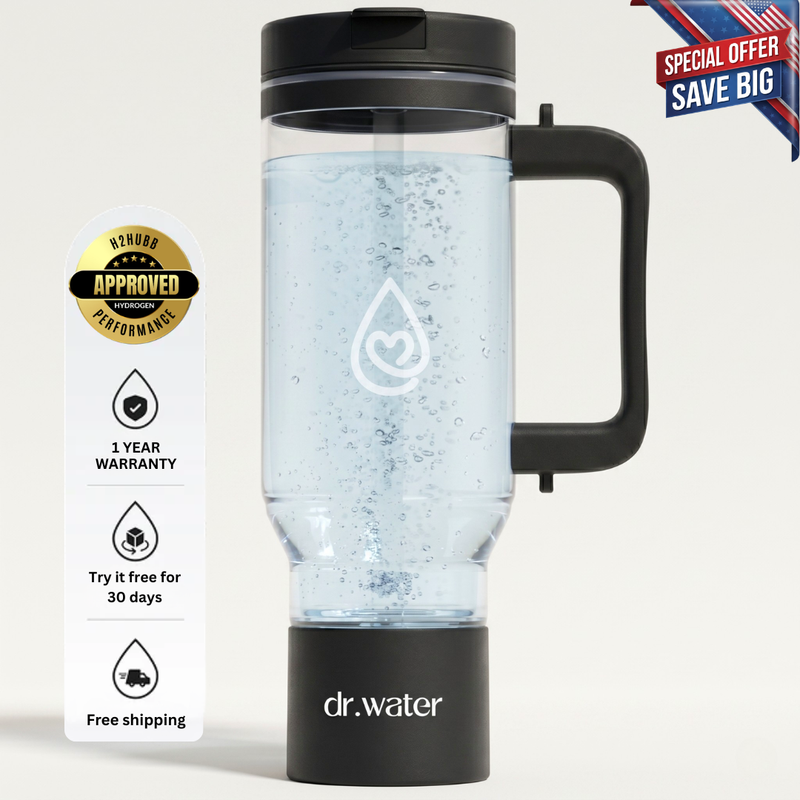
Dr. Water Hydrator Pro: Daily Support for Lower Extremity Fatigue

Many solutions claim to help with lower-body discomfort but fall short on daily consistency. The hydrogen water bottle from Dr. Water helps bridge that gap by offering steady support for lower leg pain and fatigue without adding extra steps to your routine.
Let’s see how it integrates naturally into everyday wellness:
- Addresses Common Causes: Hydrogen-rich water may help counter oxidative stress, one of the frequent lower leg fatigue, supporting overall comfort throughout the day.
- Supports Muscle Ease: Regular hydration with molecular hydrogen can help your lower legs feel less taxed during walking, work, or long periods of standing, reducing the intensity of lower limb fatigue.
- Keeps Your Routine Simple: You don’t need complicated treatments. Just hydrate as usual while letting hydrogen-infused water work in the background to support your lower body.
- Clean, Safe Hydration: Food-grade materials and high-quality design ensure every sip is clean, fresh, and safe for daily use.
- Everyday Convenience: Portable hydrogen bottles make it easy to carry supportive hydration to your desk, gym, commute, or travel.
- Reliable, Steady Support: Consistent hydrogen output helps maintain comfort, giving your legs the extra help they often need through long days.
This way, supporting your lower body is simple, steady, and practical. You don’t have to change your schedule. Just drink, carry, and continue your day with more ease.
Final Thoughts
Lower body comfort improves when your routine stays simple and consistent. Practical habits like light movement, supportive footwear, and intentional hydration can ease lower extremity fatigue while also helping with leg muscle weakness, poor circulation in legs, and lower limb exhaustion.
Adding Dr. Water Hydrator Pro to your day turns regular hydration into meaningful support for your lower body. It fits effortlessly into your routine and helps you feel steadier and refreshed.
Shop now and make hydrogen water part of your daily lower body wellness.
FAQs
1. Can lower extremity fatigue be linked to poor circulation in the legs?
Yes. Reduced blood flow can limit oxygen and nutrient delivery to your leg muscles, leading to early tiredness, heaviness, and discomfort during regular activities.
2. Does leg muscle weakness contribute to lower extremity fatigue?
Absolutely. When your muscles lack strength or stability, they tire faster during walking, climbing, or standing for long periods, which can increase strain on your lower limbs.
3. Can lifestyle habits influence lower limb exhaustion?
Yes. Long hours of sitting or standing, low physical activity, and inadequate recovery can all intensify lower limb exhaustion and affect your overall mobility.
4. Are hydration or electrolyte levels connected to lower extremity fatigue?
They can be. Low hydration or electrolyte imbalance may impact muscle performance, causing cramping or early fatigue in your legs during basic movement.
5. Can footwear choices affect lower extremity fatigue?
Definitely, wearing unsupportive or worn-out footwear can change your body alignment and increase stress on your leg muscles, making fatigue more noticeable throughout the day.